Plasma Cutter Troubleshooting: 12 Common Problems and Fixes
Plasma Cutter Troubleshooting: 12 Common Problems and Fixes

WRITTEN BY: ROB ROSSETTI
Plasma cutter problems can be frustrating, especially when the machine was working fine just before.
Most of the time, though, they come down to a few common things like bad air supply, wet or dirty air, worn parts, wrong settings, loose work clamp, overheating, or basic power issues.
This guide walks through 12 common plasma cutter problems in plain English and tells you what to check first.
Key Takeaways
- Most plasma cutter problems come from simple things like bad air, worn parts, loose clamps or wrong settings rather than the machine itself being broken. Checking power, air, consumables, the work clamp and settings first usually sorts things out.
- The whole system has to work together, so one small issue can look like a major fault. Following a clear order stops you guessing and wasting time or parts.
- Clean, dry air is one of the biggest factors for good starts, clean cuts and longer-lasting consumables. Wet or dirty air causes many of the common faults like hard starting and short tip life.
- Safety comes first before any checks or part changes - switch off, let the torch cool, wear protection and use proper ventilation. Plasma cutters involve high voltage, heat and fumes that need careful handling.
- If basic checks fail or you see internal signs like burnt smells or repeated trips, stop and call a technician. Plasma cutters stay dangerous even when switched off and should not be opened by untrained people.
Why Plasma Cutter Problems Keep Happening
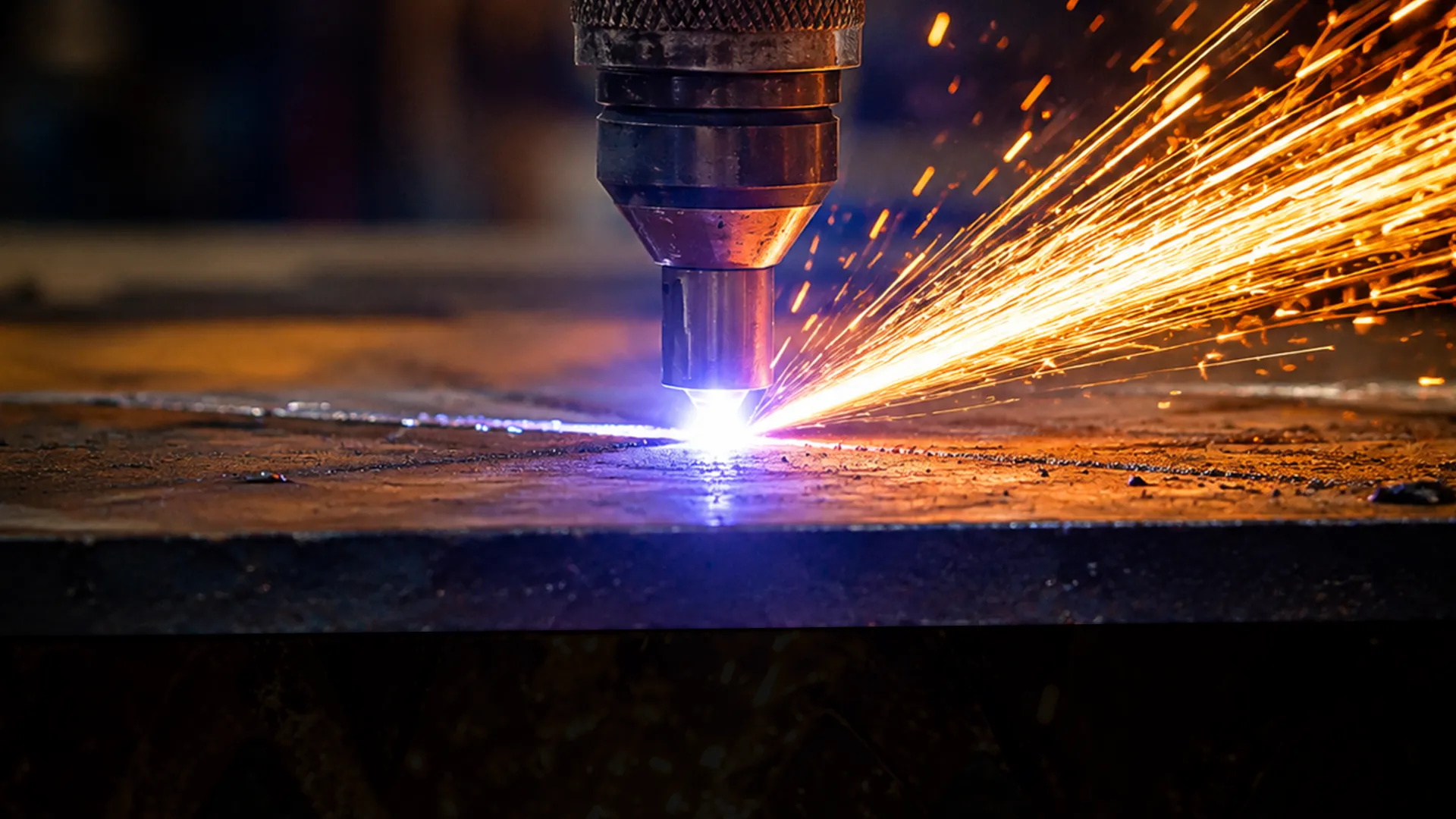
Plasma cutter problems usually stem from simple issues like poor connections, consumables, air quality, or settings, so check those first in order before assuming a major fault.
Plasma cutting involves a whole system where everything has to work together - the power source, torch, consumables, air supply, work clamp, the metal you’re cutting, and your settings.
When one part is off, it can look like the whole machine is broken.
For example:
- A cutter that won’t fire might just have a loose torch cap.
- One that leaves lots of slag might be moving too slowly.
- One that keeps burning out tips might be getting wet air.
- One that starts a pilot arc but won’t actually cut might have a bad work clamp connection.
That’s why good troubleshooting follows a simple order:
- Check power
- Check air
- Check consumables
- Check work clamp contact
- Check settings
- Check duty cycle and machine condition
- Only then suspect an internal fault
Safety First
Always switch off, isolate, and let the plasma cutter cool before handling parts, and wear proper protection with good ventilation to avoid shock, burns, fumes, and eye injuries.
Before you touch the torch, change any parts or check the leads, make sure everything is safe.
Plasma cutters use high voltage, compressed air and a very hot cutting arc.
Plasma cutting can cause electric shock, burns, fire, eye injury (such as arc eye) and fume exposure.
HSE guidance also treats plasma cutting fumes as a workplace hazard that should be controlled with local exhaust ventilation, extraction or water tables where suitable.
Basic safety checks:
- Switch off and isolate the machine before changing plasma cutter consumables.
- Let the torch cool before handling parts.
- Wear suitable safety equipment such as eye, face and hand protection.
- Keep flammable material away from the cutting area.
- Use ventilation or adequate fume extraction.
- Do not open the machine casing unless you are trained and authorised.
- Follow the machine manual for fault lights and error codes.
1. Plasma Cutter Will Not Power On
If your plasma cutter won't power on, first check the socket, plug, cable, fuse, breaker, voltage match, and extension lead before calling a technician.
If the machine is completely dead, start by checking the power supply.
Common causes include:
- The socket is not live.
- The plug or cable is damaged.
- A fuse or breaker has tripped.
- The machine switch is off or faulty.
- The supply is too small for the cutter.
- The extension lead is too long or underrated.
- The input voltage does not match the machine.
The Fix
Check the socket with another tool or tester.
Look at the plug, cable and breaker.
Make sure the supply matches the cutter’s requirements.
Larger plasma cutters may need a dedicated supply, while smaller units may still struggle if used on a weak circuit or poor extension lead.
Avoid running a plasma cutter through a thin or coiled extension lead.
Voltage drop can cause poor performance, nuisance tripping and starting issues.
If the machine still shows no life after basic power checks, stop and contact a qualified technician.
2. Plasma Cutter Powers On, But the Torch Will Not Fire
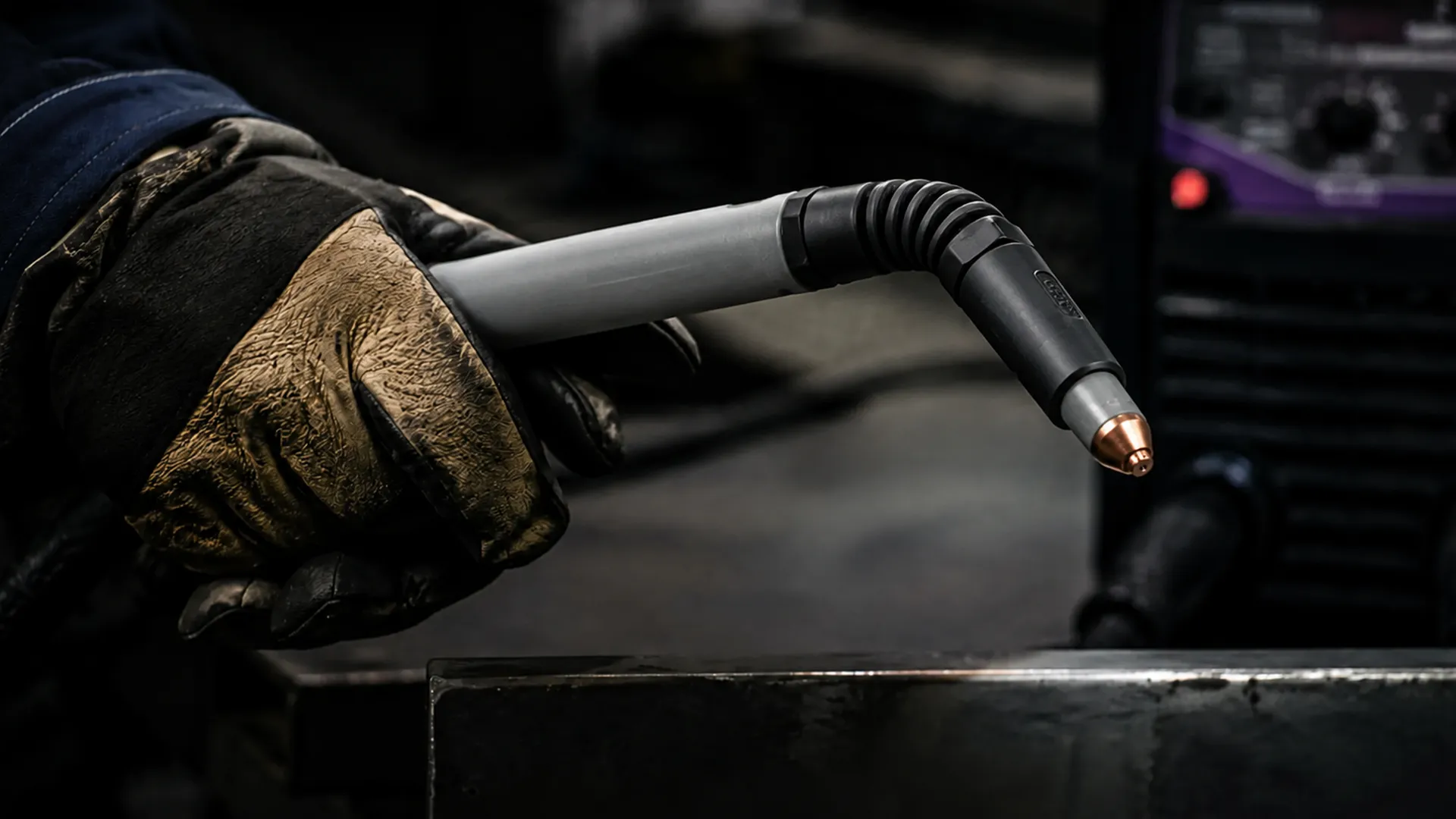
If your plasma cutter powers on but the torch won't fire, check that consumables are correctly installed and in the right order, the torch is securely connected, and air pressure is correct.
If the display or lights come on but the torch does nothing, the issue is often around the torch or air system.
Common causes include:- Torch cap not fitted properly.
- Consumables installed in the wrong order.
- Wrong consumables fitted.
- Damaged electrode, nozzle or swirl ring.
- Torch not fully connected.
- Air pressure too low or too high.
- Safety interlock active.
- Fault code preventing start.
How to Fix
Turn the machine off and isolate it.
Remove the torch parts and inspect them.
Check the electrode, nozzle, swirl ring, retaining cap and any shield or spacer.
Refit them in the correct order.
Do not overtighten the retaining cap.
It should be secure, but over-tightening can damage parts or stop correct operation on some torches.
If the cutter has a torch safety warning light or fault code, check the manual and follow that code first.
3. The Pilot Arc Starts, But It Will Not Transfer to the Metal
If the pilot arc starts but won't transfer to the metal, ensure good, clean work clamp contact close to the cut and proper torch height.
This is a very common plasma cutting problem.
The pilot arc starts at the torch, but the cutting arc does not transfer into the workpiece.
Common causes include:- Poor work clamp contact.
- Clamp connected to rusty, painted or dirty metal.
- Clamp too far from the cut.
- Work lead damaged or loose.
- Torch held too far from the work.
- Metal surface coating blocking current flow.
How to Fix
Clean a bright metal area for the work clamp.
Attach the clamp directly to the workpiece where possible, not to a loose bench, rusty table or painted surface.
Place it close to the cut area.
Check the full return path.
On a cutting table, make sure the plate has good contact with the slats and that the slats are not so dirty that they block current.
Then check torch height. If the torch is too far from the metal, the arc may not transfer properly.
4. The Arc Is Hard to Start or Starts Intermittently
If the plasma cutter arc is hard to start or intermittent, check air pressure, consumables, torch connections, and ensure the air supply is dry and clean.
A hard-starting plasma cutter may spit, sputter or fire only some of the time.
Possible causes include:
- Wrong air pressure.
- Moisture in the air line.
- Worn electrode or nozzle.
- Damaged torch lead.
- Loose torch connection.
- Dirt or metal dust inside torch parts.
- Problems with high-frequency start systems on older or HF-start cutters.
How to Fix
Start with air pressure.
Set it to the machine’s recommended range.
Do not guess.
Too little air can make the arc weak, but too much air can also cause starting and cut-quality problems.
Next, inspect the torch lead and consumables.
Replace worn parts and clean the torch body carefully.
If the machine uses a high-frequency start system and the problem continues, it may need professional service.
5. Air or Gas Will Not Flow Properly
If air won't flow properly in your plasma cutter, check compressor pressure, drain moisture traps, replace filters, and inspect for leaks and kinks.
Air plasma cutters need clean, dry and correctly regulated air.
If air does not flow properly, the torch may not fire, the arc may be weak, or the cut may be poor.
Common causes include:- Compressor too small.
- Regulator set incorrectly.
- Air filter blocked.
- Moisture trap full.
- Hose leak.
- Kinked airline.
- Oil or water contamination.
- Faulty solenoid or internal valve.
How to Fix
Check compressor pressure and flow.
A compressor may show enough pressure when idle, but drop too low when the torch fires.
Watch the gauge during cutting if possible.
Drain the compressor tank.
Empty water traps.
Replace dirty filters.
Check for leaks by listening for air loss or using leak-detection spray.
If the machine has a built-in compressor, follow the manual for filter and maintenance checks.
Built-in compressor units remove the need for an external compressor, but they still need clean airflow and correct use.
6. Too Much Dross on the Cut Edge
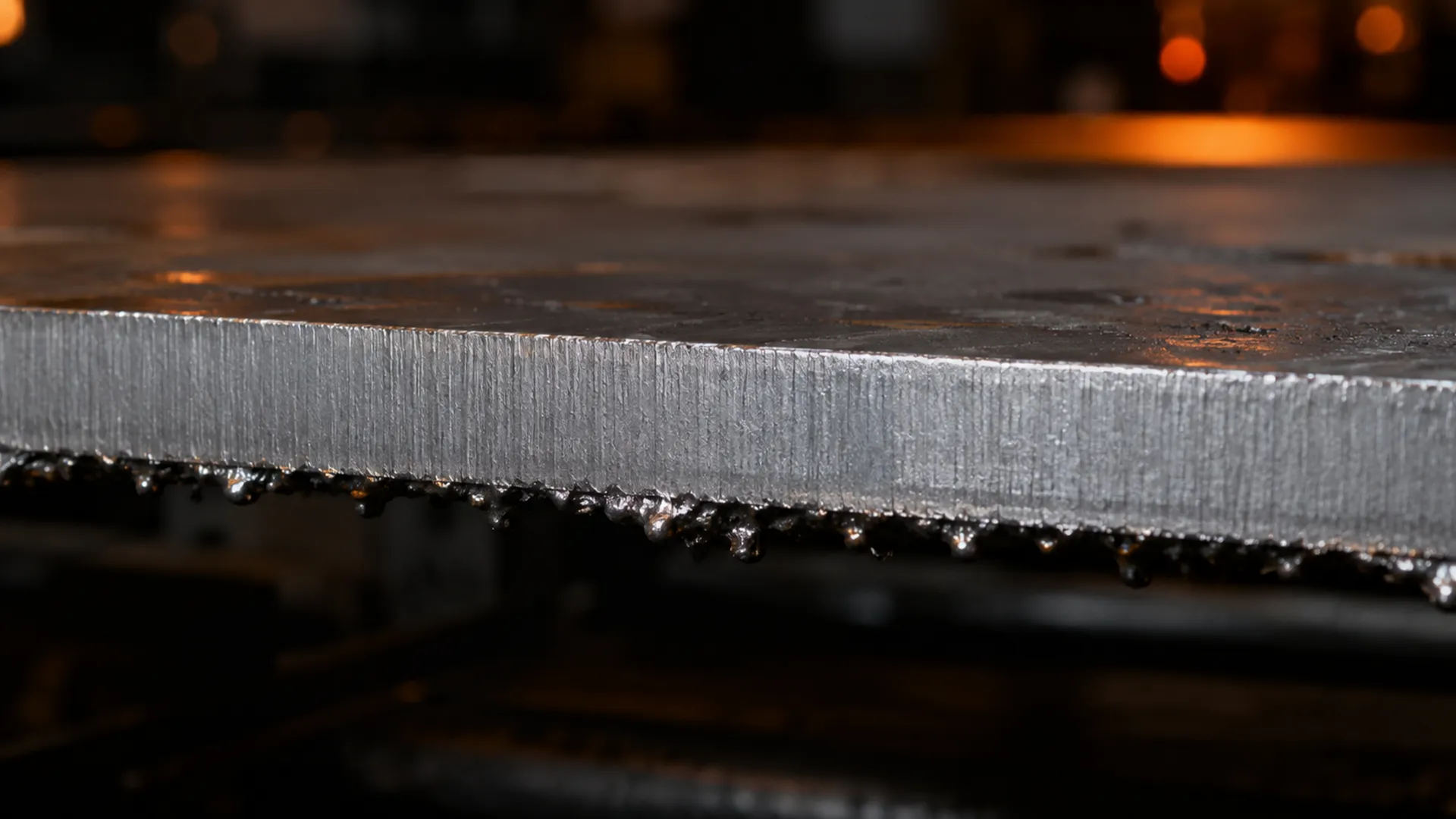
Too much dross on plasma cuts is usually fixed by checking consumables, air pressure, amperage, speed, and torch height in that order.
Dross is the hardened waste metal left on the bottom or top of the cut.
It is one of the most common cut-quality issues in plasma cutting.
A small amount of it can usually be sorted with deburring, however an excessive amount can be a problem.
Common causes include:- Low-speed dross: cutting too slowly.
- High-speed dross: cutting too quickly.
- Top spatter: worn nozzle, high standoff or wrong speed.
- Poor air pressure.
- Wrong amperage.
- Worn consumables.
- Material too thick for the chosen settings.
How to Fix
Do not simply increase the amps.
More power can make the problem worse if the speed and torch height are wrong.
Use this order:
- Check consumables
- Set correct air pressure
- Use the right amperage for the nozzle and material
- Adjust travel speed
- Check torch height
If the dross is heavy and rounded, try increasing speed slightly.
If the dross is thin, hard and stuck tightly, the speed may be too fast.
If sparks are coming back up from the top, slow down or reduce the thickness being cut.
7. The Cut Is Bevelled or Not Square
Bevelled plasma cuts are usually fixed by checking the nozzle, torch angle, height, speed, and cut direction.
A plasma cut will not always be perfectly square, but a strong bevel usually means something is wrong.
Common causes include:- Worn nozzle.
- Torch too high.
- Torch too low.
- Wrong amperage.
- Wrong speed.
- Torch not square to the plate.
- Warped metal.
- Poor cut direction on CNC work.
How to Fix
First, inspect the nozzle.
A slightly damaged nozzle can push the arc to one side and create bevel.
Next, check the torch angle.
On handheld work, keep the torch square to the plate.
On CNC plasma tables, check the torch mount with a square.
Then adjust torch height and speed.
If one side of the part is good but another is poor, check cut direction, table movement and whether the material is lifting or warping during the cut.
8. Sparks Come Out of the Top or the Cut Does Not Go Through
If sparks come from the top or the cut doesn't go through, slow down, check amperage and consumables, and ensure good work clamp contact.
If sparks shoot back up from the top of the plate, the arc is not fully cutting through the material.
Common causes include:- Travel speed too fast.
- Amperage too low.
- Material too thick.
- Worn consumables.
- Poor work clamp contact.
- Air pressure incorrect.
- Torch height too high.
How to Fix
Slow down first.
If the cut improves, speed was likely the main issue.
Then check the amperage and make sure the machine is suitable for the thickness.
There is a difference between a clean cut, a rough cut and a severance cut.
Just because a cutter can sever a certain thickness does not mean it will give a clean production cut at that thickness.
Replace worn consumables and check the work clamp.
If the arc still struggles, the material may be beyond the realistic cutting range for that machine and setup.
9. Plasma Cutter Consumables Wear Out Too Quickly
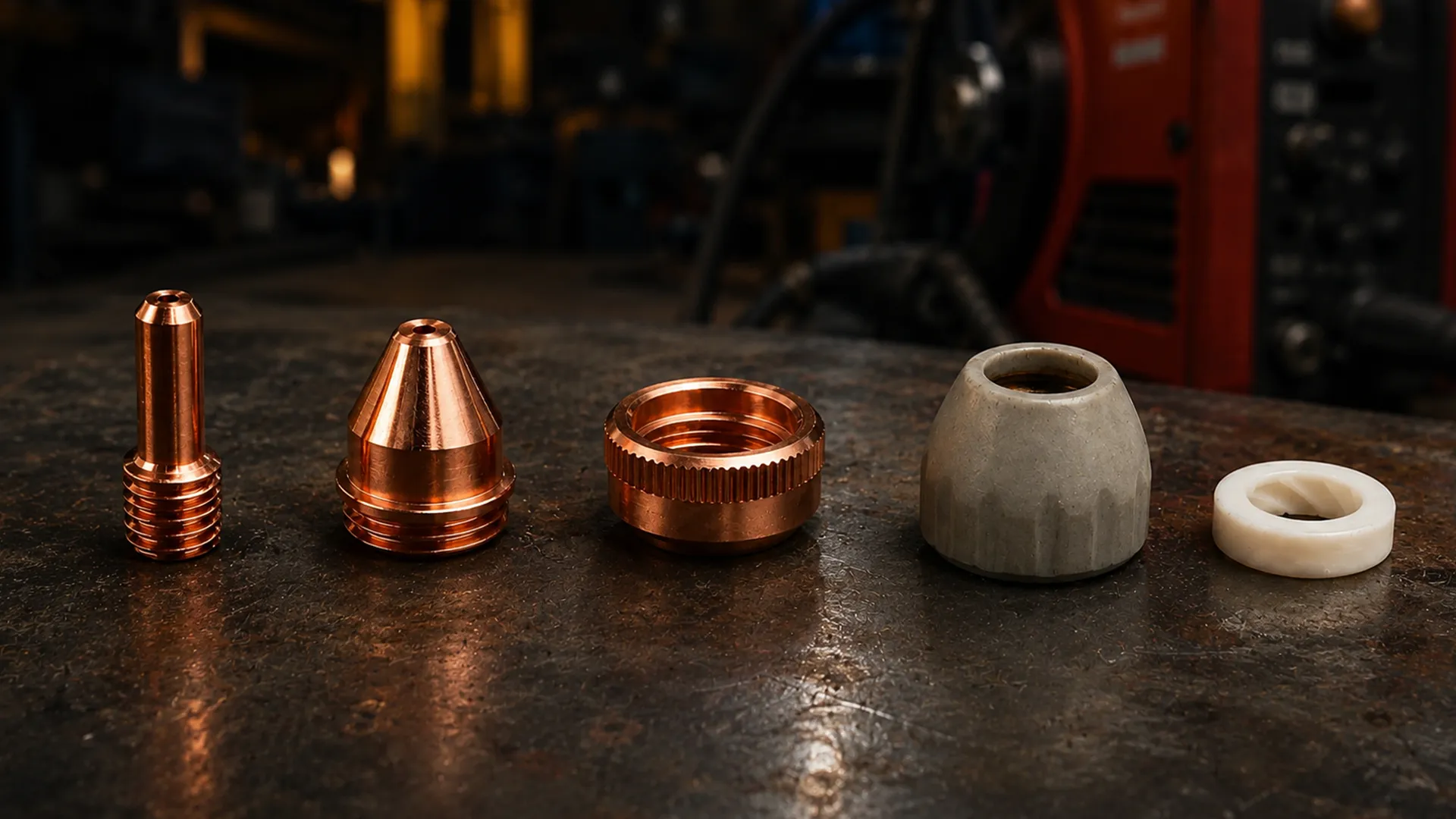
Consumables wear quickly from wet, oily, or dirty air, wrong pressure, cutting beyond capacity, or poor piercing technique, so use proper air filtration and replace them promptly.
Short consumable life is expensive and frustrating.
It also causes other faults, because worn consumables affect arc shape, cut quality and starting.
Common causes include:- Wet air.
- Dirty air.
- Wrong air pressure.
- Cutting with worn parts for too long.
- Piercing too close to the plate.
- Cutting above the rated capacity.
- Starting or stopping off the plate.
- Wrong consumables for the process.
How to Fix
Improve the air first.
Drain the compressor daily in damp conditions.
Use suitable filtration.
Keep oil and water out of the line.
Next, change consumables before they fail completely.
Do not wait for the tip to ‘blow’.
A badly worn nozzle can damage other parts and produce poor cuts.
For piercing, use the correct pierce height and delay.
Piercing too low sends molten metal straight back into the nozzle.
10. Piercing Thick Plate Goes Wrong
Piercing thick plate often fails due to low torch height, insufficient delay, worn consumables, or exceeding capacity, so use proper height, delay, and lead-ins while keeping the plate clean.
Piercing is harder on a plasma cutter than edge-starting.
The arc has to burn through the full thickness from the top, while molten metal is thrown back towards the torch.
Common causes include:- Trying to pierce beyond the machine’s limit.
- Pierce height too low.
- Pierce delay too short.
- Wrong amperage.
- Worn nozzle or electrode.
- Dirty, rusty or painted material.
- Poor work clamp contact.
- No lead-in on CNC work.
How to Fix
Know the difference between cut capacity and pierce capacity.
Many machines can edge-start or sever thicker material than they can pierce cleanly.
Use the correct pierce height.
This protects the nozzle from blowback.
On CNC work, use suitable lead-ins and pierce delay settings.
On handheld work, angle the torch slightly at the start if the manual allows it, then bring it upright once the cut is established.
If the plate is rusty or painted, clean the start point and clamp point.
11. Plasma Cutter Overheats or Trips Out
Plasma cutters overheat or trip when pushed beyond their duty cycle, so reduce amperage, shorten cut times, and ensure good ventilation and cooling.
Thermal shutdown is often caused by exceeding the duty cycle.
Duty cycle is how long the machine can cut at a set output within a given time period before it needs to cool.
Common causes include:- Cutting too long at high amperage.
- Poor airflow around the unit.
- Blocked vents.
- Dust inside the machine.
- Hot workshop conditions.
- Undersized machine for the work.
- Fan not running correctly.
How to Fix
Let the fan run and allow the machine to cool.
Do not switch it off immediately unless the manual says to, as the fan may need to keep moving air through the unit.
Check vents and keep the cutter away from walls, grinding dust and heavy dirt.
If overheating happens often, reduce amperage, shorten cut runs or move to a machine with a higher duty cycle.
Overheating is not always a fault.
It may be a sign that the cutter is being pushed beyond its intended workload.
12. CNC Plasma Cuts Badly Even Though the Torch Fires
CNC plasma cuts badly when torch height, cut settings, consumables, torch alignment, or table movement are incorrect, so verify the cut chart and check everything systematically.
CNC plasma cutter problems can be harder to diagnose because the torch may fire normally, but the finished parts are poor.
Common causes include:- Wrong cut chart settings.
- Incorrect torch height.
- Arc voltage set wrong.
- Worn consumables.
- Torch not square.
- Poor table movement.
- Plate vibration.
- Wrong cut direction.
- Poor air supply.
- Incorrect pierce settings.
- Work return path problems.
How to Fix
Treat the CNC system as a full process, not just a plasma cutter.
Check the cut chart first.
Confirm amperage, speed, pierce height, cut height, gas pressure and arc voltage.
Then inspect the torch and consumables.
Square the torch to the plate.
Check that the table moves smoothly and that the plate is stable.
Cut direction also matters.
On many plasma systems, one side of the cut edge is cleaner than the other, so inside and outside profiles may need different directions.
If cut quality changes suddenly, look for a recent change: new consumables, different material, wet air, changed program settings, worn slats or a loose work lead.
Simple Troubleshooting Order
When troubleshooting a plasma cutter, first note the symptom, check basics like power, air, clamp and consumables, read fault codes, change one thing at a time, and seek professional help for internal issues.
When a plasma cutter plays up, use this quick order before replacing parts at random.
Step 1: Look at the Symptom
Is the plasma cutter dead, or does it power on?
Does the torch fire?
Does the pilot arc transfer?
Is the problem cut quality rather than starting?
Step 2: Check the Basics
Look at power, air, work clamp and consumables.
These are the most common causes across the research.
Step 3: Read the Fault Code
If your machine has fault lights or a screen, use them.
Do not ignore a warning light and guess.
Step 4: Change One Thing at a Time
Do not change air pressure, speed, amperage and consumables all at once.
Change one thing, test, then move to the next.
This helps you find the real cause.
Step 5: Stop Before Internal Repairs
If the fault points inside the power source, contact a qualified service technician.
Plasma cutters can remain dangerous after power is removed.
When to Call a Technician
Call a technician for plasma cutter issues involving repeated breaker trips, burnt smells, internal faults, or when you're unsure, rather than attempting DIY electrical repairs.
Some problems should not be handled as DIY repairs.
Call a technician if:
- The plasma cutter is dead after power checks.
- Breakers trip repeatedly.
- The plasma cutter smells burnt.
- Internal components look damaged.
- Error codes point to internal faults.
- The fan does not run when it should.
- The torch and air system check out but the arc is still unstable.
- You are not trained to test electrical equipment.
Do not remove covers just to ‘have a look’.
Plasma cutters contain high-voltage parts and should be serviced properly.
FAQ
How often should I check or replace consumables even if the plasma cutter seems to be working fine?
Check them regularly, especially after a few hours of cutting or if the quality starts to drop even a little.
Replacing the electrode and nozzle as a pair before they are completely worn helps stop other problems appearing and keeps cuts cleaner for longer.
What size compressor do I need to avoid air flow problems?
It needs to keep steady pressure and flow while the torch is running, not just when it is idle.
If the pressure drops a lot during a cut, the compressor is probably too small or the airline is restricted, so match it to the machine’s recommended flow rate.
Can workshop humidity or temperature make problems worse?
Yes, damp air makes moisture build up faster in the lines and can shorten consumable life.
Hot workshops also make overheating more likely, so better filtration, regular draining and good ventilation help keep things stable.
How can I tell if my work clamp connection is good without starting a cut?
Clean a shiny spot on the metal, attach the clamp firmly close to where you will cut, and make sure the lead is not damaged or loose.
A solid, bright contact with no paint or rust between the clamp and the plate is the best sign it will work well.
What should I do if the problem keeps coming back after I have fixed the obvious things?
Go back through the basic checks one by one and change only one thing at a time so you can see what actually helps.
If it still returns, the machine may need professional service, especially if fault codes or internal signs appear.
Final Thoughts
Most plasma cutter problems are easier to solve when you follow a clear order.
Start with the basics: power, air, consumables, work clamp contact and settings.
Clean, dry air is especially important because it affects arc starting, cut quality and consumable life.
Good torch maintenance also matters.
Worn or wrongly fitted parts can make a healthy machine look faulty.
For CNC users, remember that the plasma cutter is only one part of the system - torch height, speed, cut direction and table movement all affect the final cut.
Troubleshoot methodically and you will save time, consumables and wasted metal.
For more information on plasma cutter issues, or help with all your plasma cutting needs, get in contact with us here at Xtreme Plasma today.
About the Author
ROB ROSSETTI
Rob Rossetti is the owner, founder, and driving force behind Xtreme Plasma, where he also personally handles technical support and customer care.
After years working as an engineer producing precision components for the oil, gas, and water industries, he founded the business in 2010.
He drew on hands on workshop experience to originally manufacture precision parts before expanding into the in-house design and production of complete CNC plasma tables.
Display prices in:GBP