MIG Welding Gas & Regulators
Understanding MIG Welding Gas
MIG welding gas plays a vital role in the welding process when using MIG welders.
It shields the weld area from air contamination, helping to produce clean, strong, and consistent welds.
Without the right gas, your welds may suffer from porosity, oxidation, and poor quality.
What Is MIG Welding Gas?
MIG welding gas is used to protect the weld pool from atmospheric gases such as oxygen, nitrogen, and water vapour.
These gases can cause defects in the weld if not properly controlled.
MIG welding gas ensures a stable arc and a smooth weld bead.
It also influences how deep the weld penetrates and how much spatter is produced during welding.
Common Types of MIG Welding Gas
There are different types of MIG welding gas depending on the material being welded:
- Argon: Pure argon welding gas is commonly used on its own for non-ferrous metals like aluminium and copper.
- CO₂: Can be used for welding mild steel. It’s affordable and offers deep penetration.
- Argon-CO₂ Mix: A popular blend, offering the benefits of both gases. Typically used for steel welding, it provides cleaner results than pure CO₂.
Some applications may use other blends that include gases like oxygen or helium to suit specific welding tasks.
Choosing the Right MIG Welding Gas
Selecting the right MIG welding gas depends on:
- Material Type: Mild steel often uses an Argon-CO₂ mix gas, while aluminium needs pure Argon.
- Weld Appearance: Argon-rich gases offer cleaner, smoother welds.
- Penetration Needs: Pure CO₂ offers deeper penetration, ideal for thicker materials.
The correct MIG welding gas improves weld strength, reduces spatter, and enhances control.
Storage and Safety
Store MIG welding gas cylinders upright in a cool, dry area.
Secure them properly to prevent falls.
Always follow safety guidelines when handling compressed gas, and ensure proper ventilation in your work area.
MIG Welding Gas Regulators
MIG welding regulators are the gatekeepers of the gas flow.
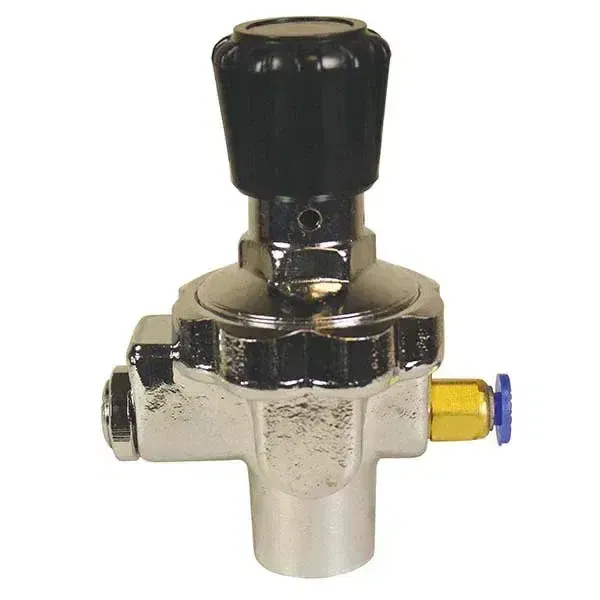
They attach to the pressurized gas cylinder and reduce the pressure to a level suitable for welding.
Here's what to consider when choosing a regulator:
Single Stage vs. Two-Stage Regulators
Simple single-stage gas regulators offer basic pressure control.
Two-stage regulators provide more precise control, ideal for critical welds.
Flow Meter
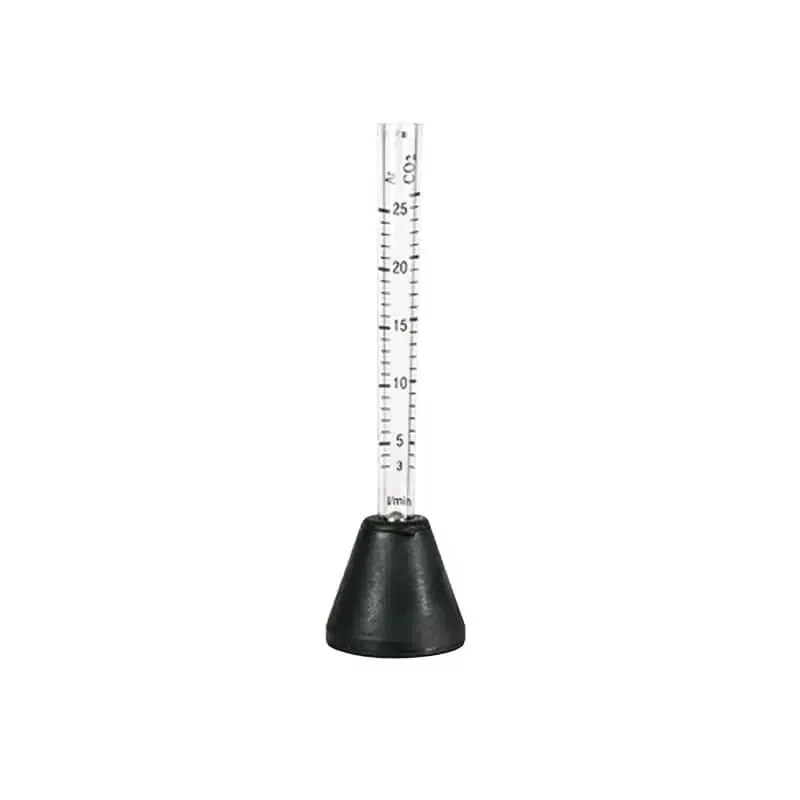
A flow meter allows you to accurately set and monitor gas flow rate, optimising weld quality and gas efficiency.
MIG Welding Gas in Short
MIG welding gas is essential for clean, reliable, and high-quality welds.
Whether you’re working with steel, aluminium, or other metals, choosing the right MIG welding gas can make all the difference.
By understanding your needs and using the correct gas, you’ll achieve better results and a safer welding experience.
Always remember to consult your MIG welder's manual for recommended gas types and flow rates.
For more information on MIG welding gas, or any help with your welding needs, get in touch with Xtreme Plasma today.
Deposit
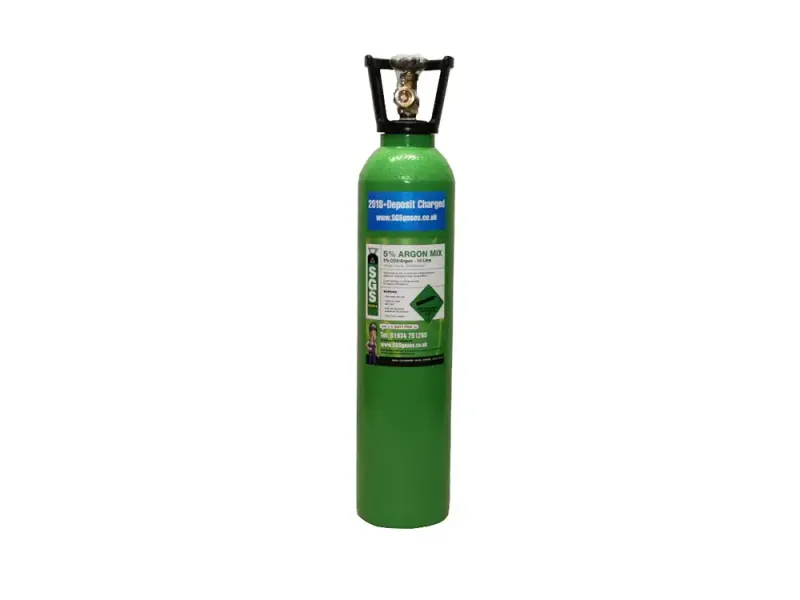
MIG Welding Gas: 10L 5% CO2 / Argon Cylinders Deposit 2026(SGS)
MIG Welding Gas: 10L 5% CO2 / Argon Cylinders Deposit 2026(SGS)
Price Does Not Include Gas (Collection & Local Delivery Only)
£80.00
Deposit Upgrade 2026
SGS Gas Cylinder Deposit 2022 to 2026
SGS Gas Cylinder Deposit 2022 to 2026
Price Does Not Include Gas (Collection & Local Delivery Only)
£10.00
Refill
MIG Welding Gas: 10L 5% CO2 / Argon Cylinders Refill (SGS)
MIG Welding Gas: 10L 5% CO2 / Argon Cylinders Refill (SGS)
(Collection & Local Delivery Only)
£47.00
Deposit
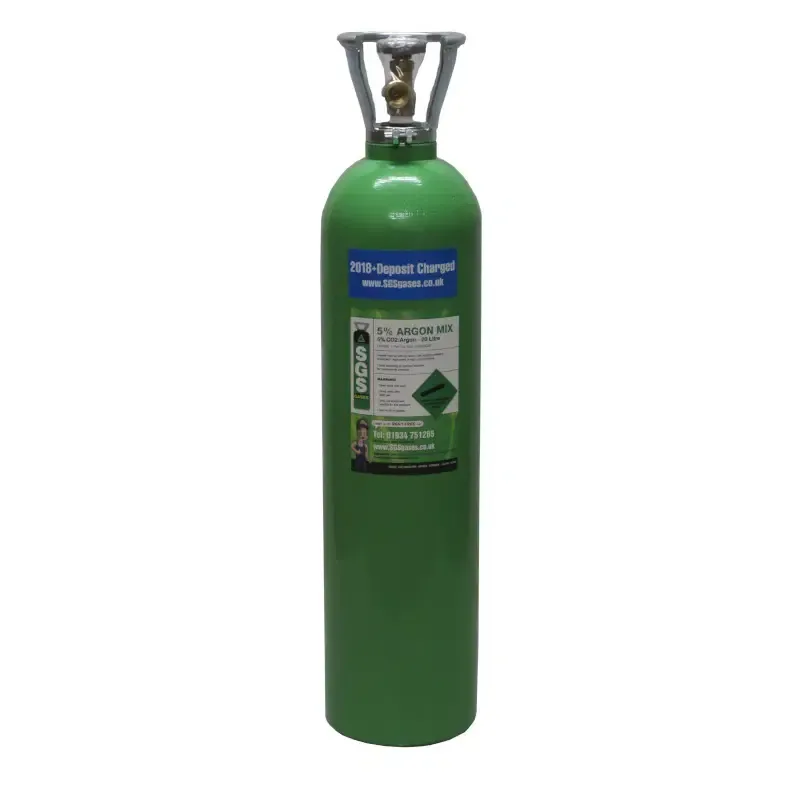
MIG Welding Gas: 20L 5% CO2 / Argon Cylinders Deposit 2026(SGS)
MIG Welding Gas: 20L 5% CO2 / Argon Cylinders Deposit 2026(SGS)
Price Does Not Include Gas (Collection & Local Delivery Only)
£100.00
Refill
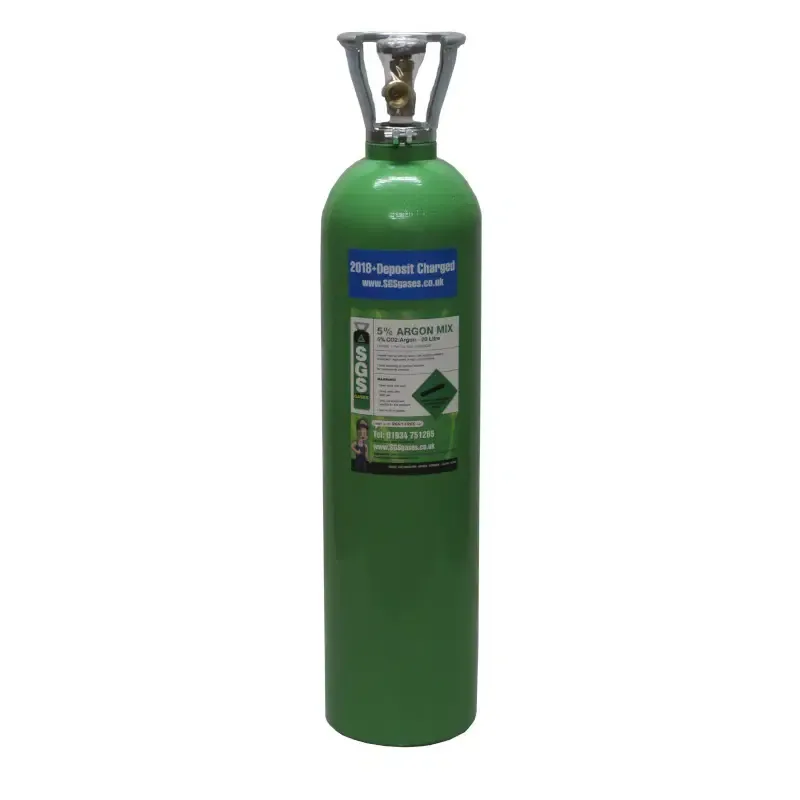
MIG Welding Gas: 20L 5% CO2 / Argon Cylinders Refill (SGS)
MIG Welding Gas: 20L 5% CO2 / Argon Cylinders Refill (SGS)
(Collection & Local Delivery Only)
£69.00
Deposit
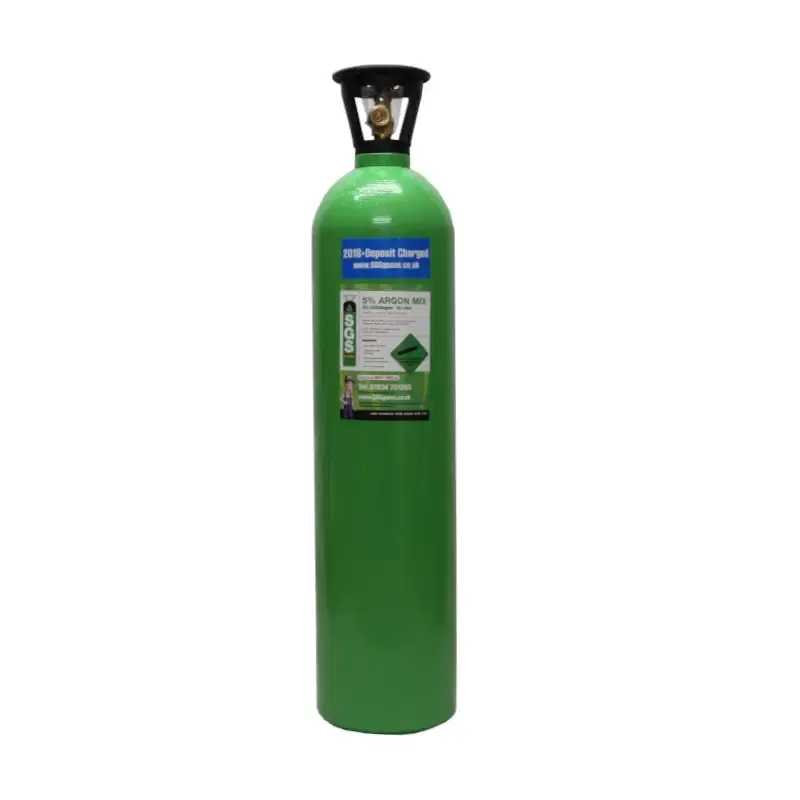
MIG Welding Gas: 30L 5% CO2 / Argon Cylinders Deposit 2026(SGS)
MIG Welding Gas: 30L 5% CO2 / Argon Cylinders Deposit 2026(SGS)
Price Does Not Include Gas (Collection & Local Delivery Only)
£130.00
Refill
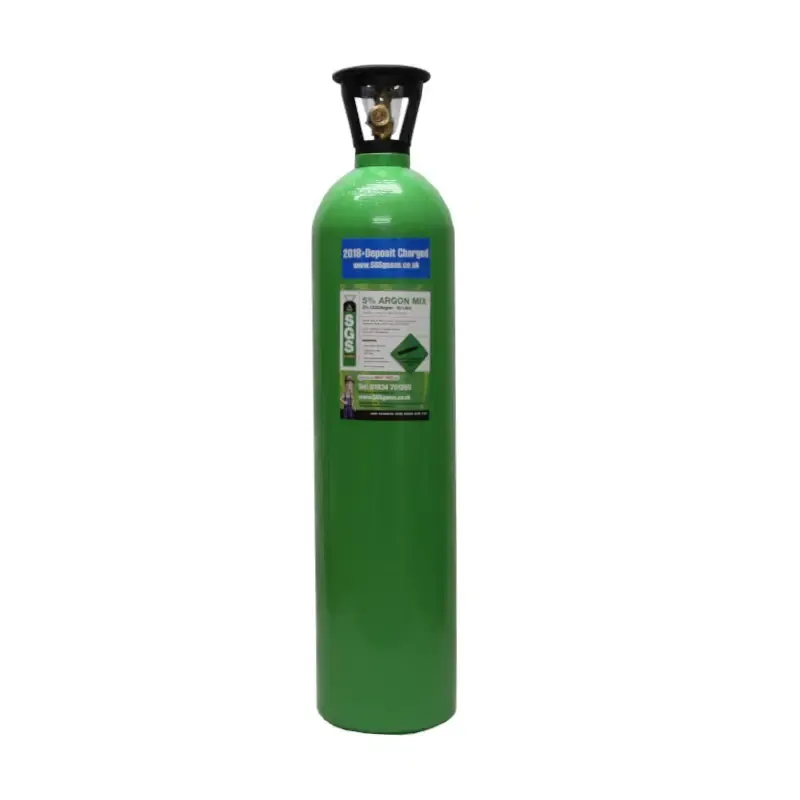
MIG Welding Gas: 30L 5% CO2 / Argon Cylinders Refill (SGS)
MIG Welding Gas: 30L 5% CO2 / Argon Cylinders Refill (SGS)
(Collection & Local Delivery Only)
£88.00
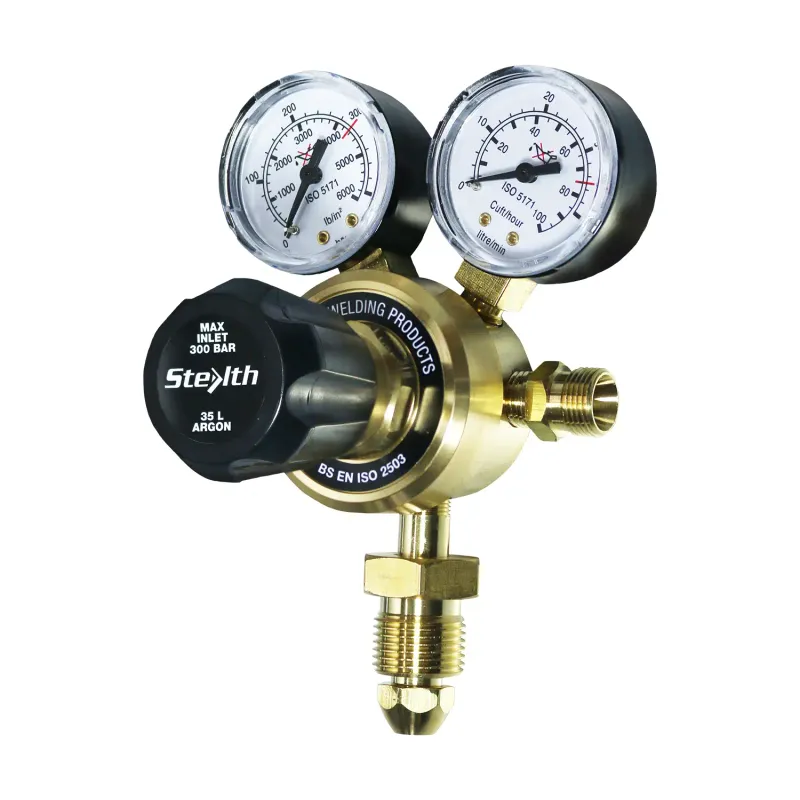
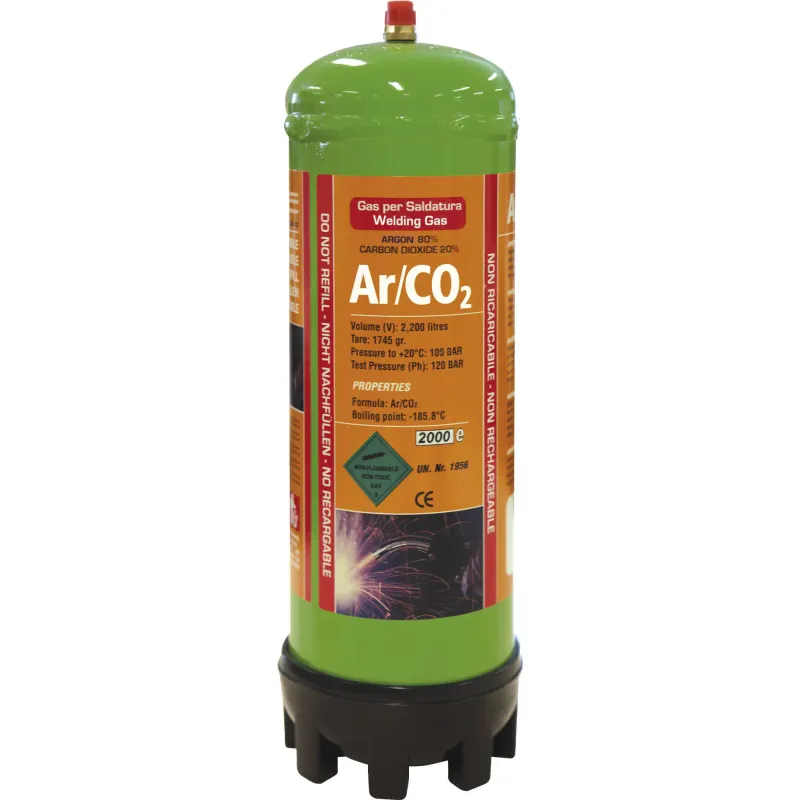
Argon/Co2 Disposable Gas Bottle
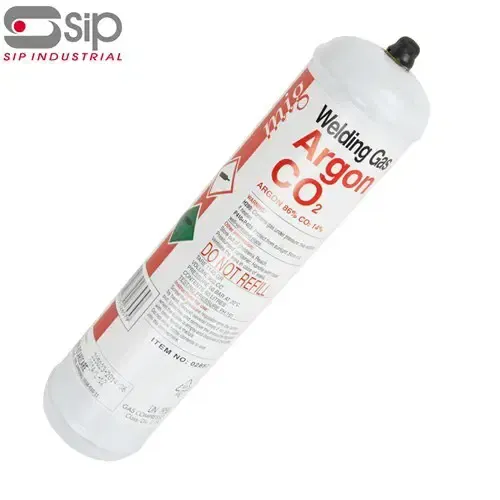
Argon/Co2 Disposable Gas Bottle
Suitable for Mig Welding (Collection & Local Delivery Only)
£17.99
Deposit
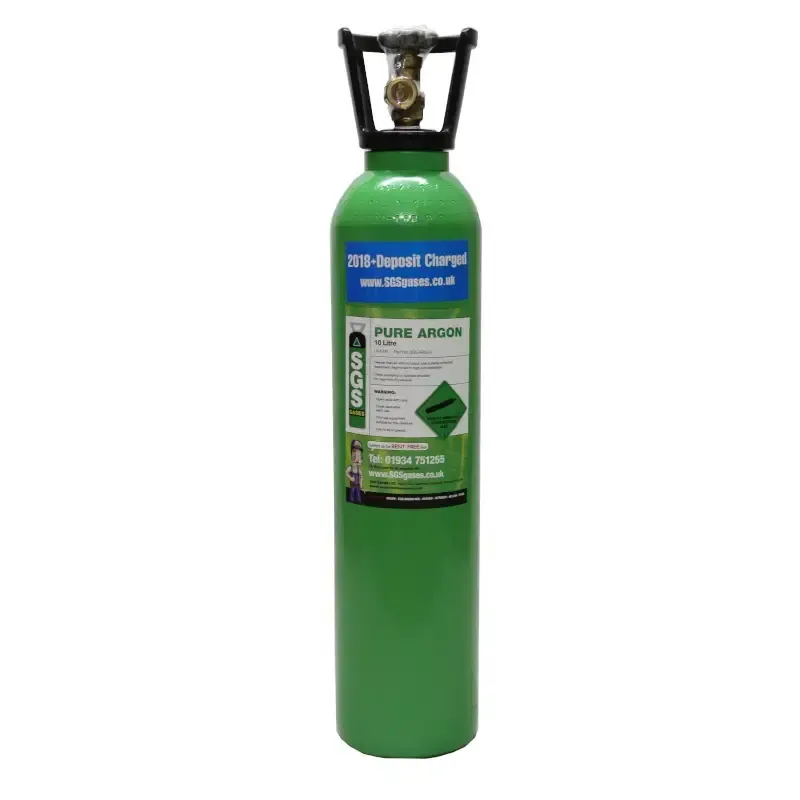
10L Pure Argon Cylinders Deposit 2026(SGS)
10L Pure Argon Cylinders Deposit 2026(SGS)
Price Does Not Include Gas (Collection & Local Delivery Only)
£80.00
Refill
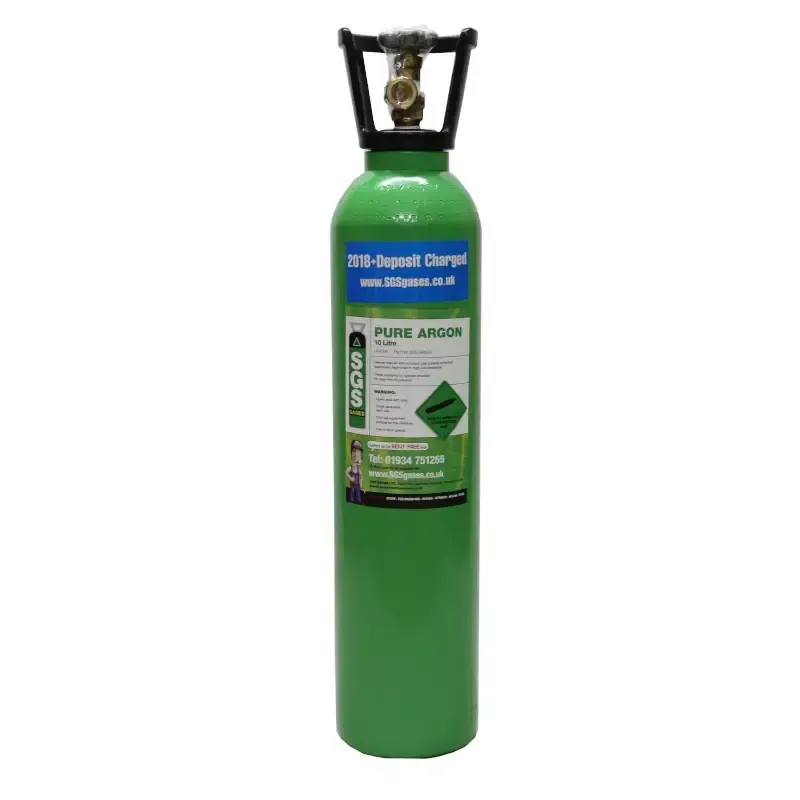
10L Pure Argon Cylinders Refill (SGS)
10L Pure Argon Cylinders Refill (SGS)
(Collection & Local Delivery Only)
£64.00
Deposit
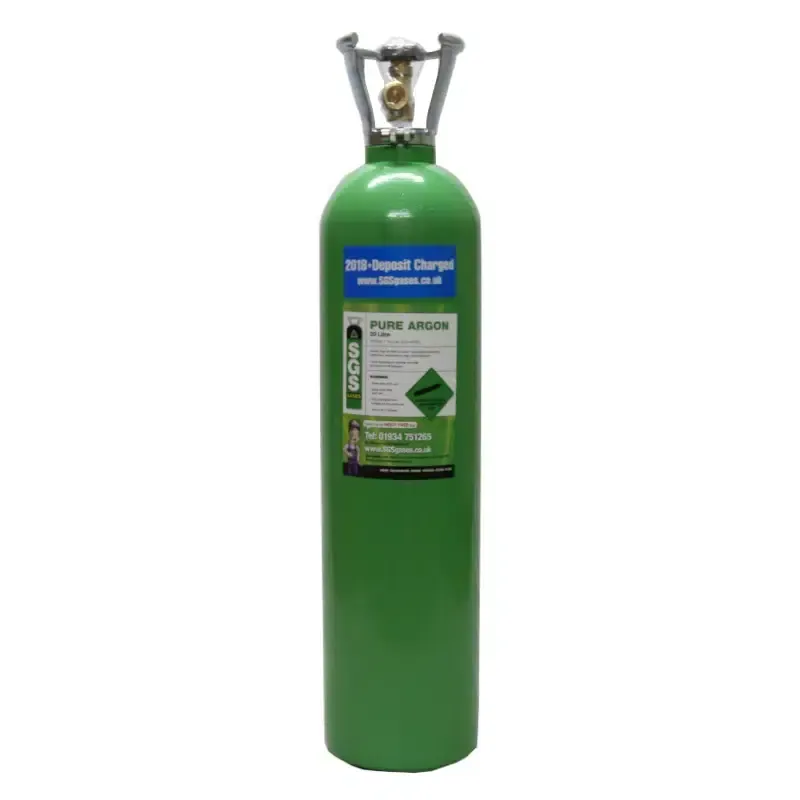
20L Pure Argon Cylinders Deposit 2026(SGS)
20L Pure Argon Cylinders Deposit 2026(SGS)
Price Does Not Include Gas (Collection & Local Delivery Only)
£100.00
Refill
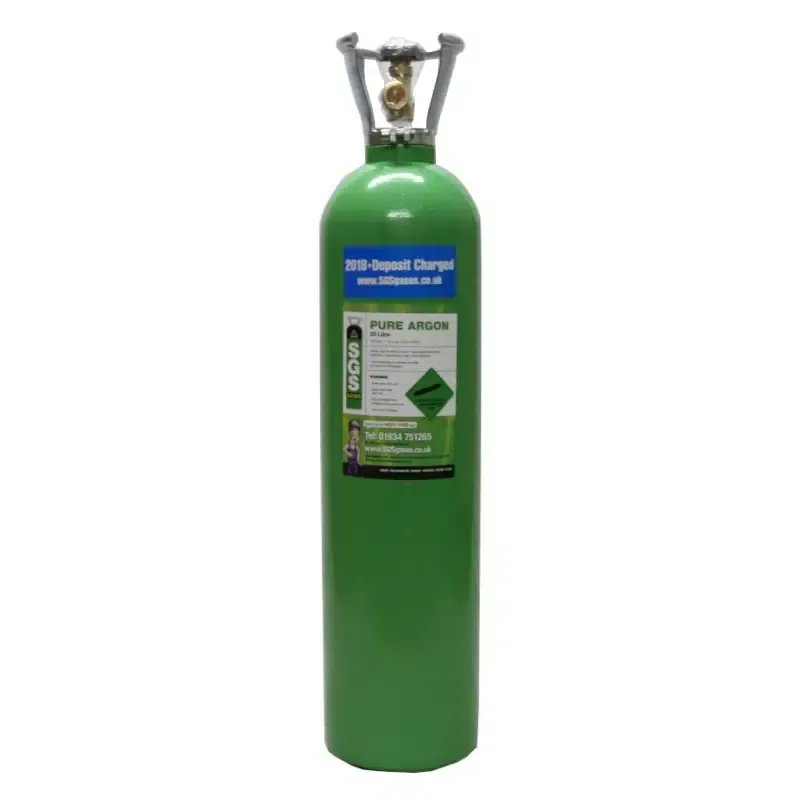
20L Pure Argon Cylinders Refill (SGS)
20L Pure Argon Cylinders Refill (SGS)
(Collection & Local Delivery Only)
£90.00
Deposit
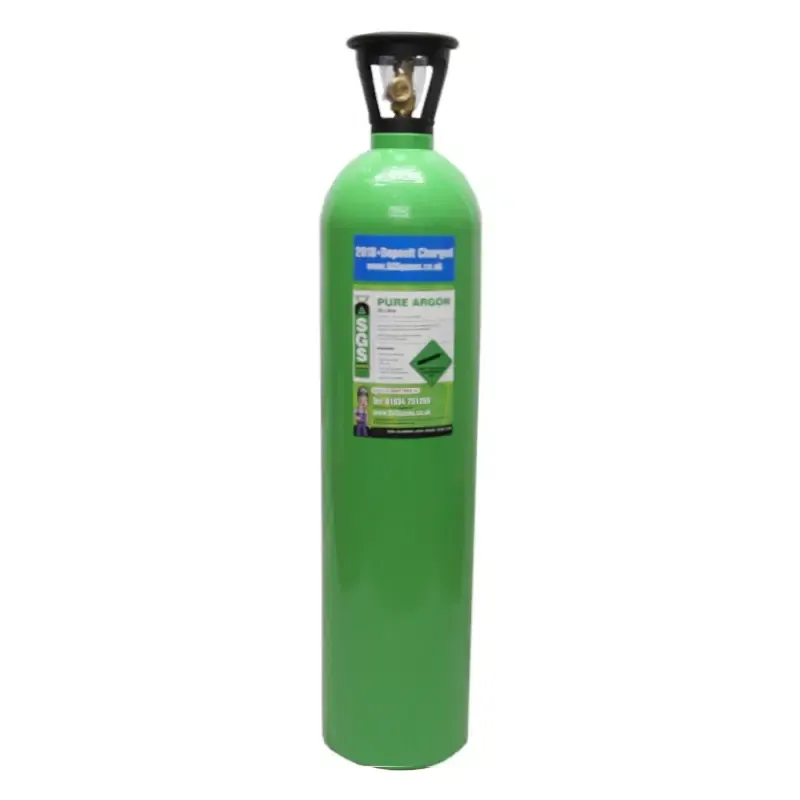
30L Pure Argon Cylinders Deposit 2026(SGS)
30L Pure Argon Cylinders Deposit 2026(SGS)
Price Does Not Include Gas (Collection & Local Delivery Only)
£130.00
Refill
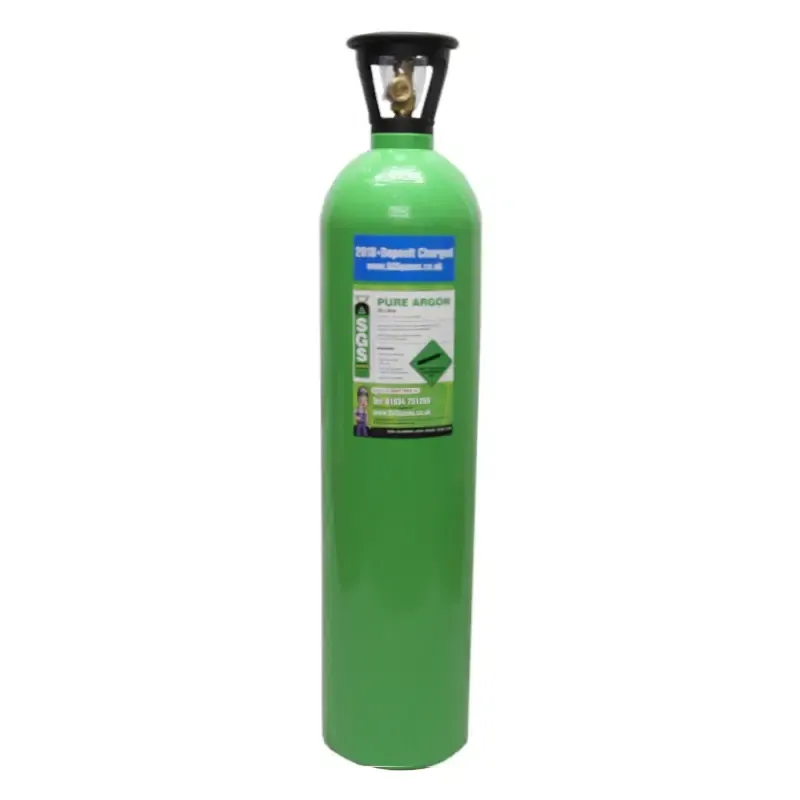
30L Pure Argon Cylinders Refill (SGS)
30L Pure Argon Cylinders Refill (SGS)
(Collection & Local Delivery Only)
£112.00
Display prices in:GBP