CNC Plasma Cutters, MIG Welders, TIG Welders & ARC Welders Welding Gas.
We Also Sell Welding Supplies, Equipment, Consumables & Safety Products
Xtreme Plasma.
Your One-Stop Shop for All Things Plasma.
Xtreme Plasma is the leading supplier of plasma cutting tables and machines, consumables, and accessories.
We offer a wide selection of products from top brands, as well as competitive pricing and expert customer service.
Whether you're a professional fabricator or a hobbyist, we have everything you need to get the job done right.
Featured Products
Some of our main products include:
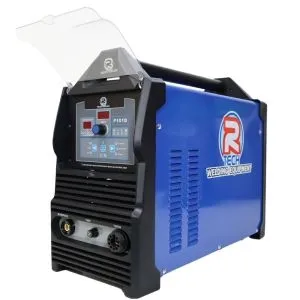
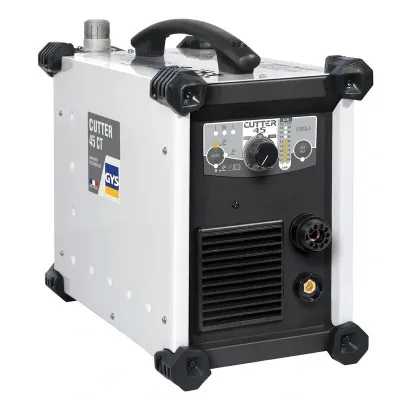
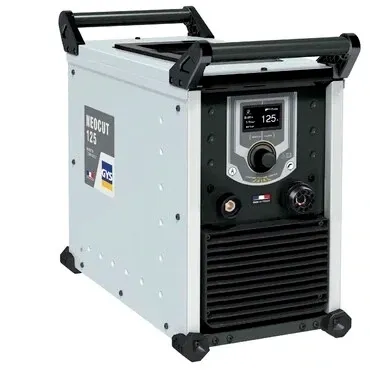
Plasma Cutters
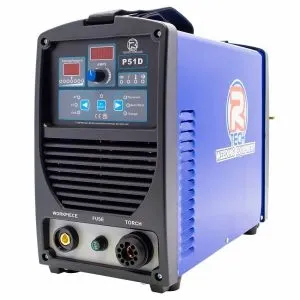
We offer a wide range of plasma cutters, from portable units to industrial-grade systems. Whether you need to cut sheet metal, pipe, or structural steel, we have a plasma cutter that's right for you.
Consumables
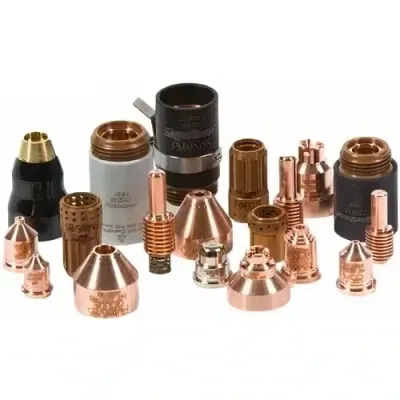
We carry a full line of plasma consumables, including tips, electrodes, and shields.
We also offer a variety of replacement parts for popular plasma machines.
Accessories
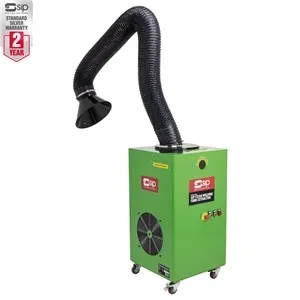
We offer a wide range of plasma accessories, including safety gear, dust collection systems, and cutting tables.
We also offer a variety of specialised tools for plasma cutting.
Why Choose Xtreme Plasma?
Wide selection of products
We offer a wide selection of plasma cutting machines, consumables, and accessories from top brands.
Competitive pricing
We offer competitive pricing on all of our products.
Expert customer service
Our team of experts is here to help you choose the right products for your needs and answer any questions you may have.
To learn more about our products and services, please check out website.
You can also call us at 01452 739025 to speak with a customer service representative.
Shop now and save on all plasma cutters at Xtreme Plasma!
Refine by








Featured Products
On Sale
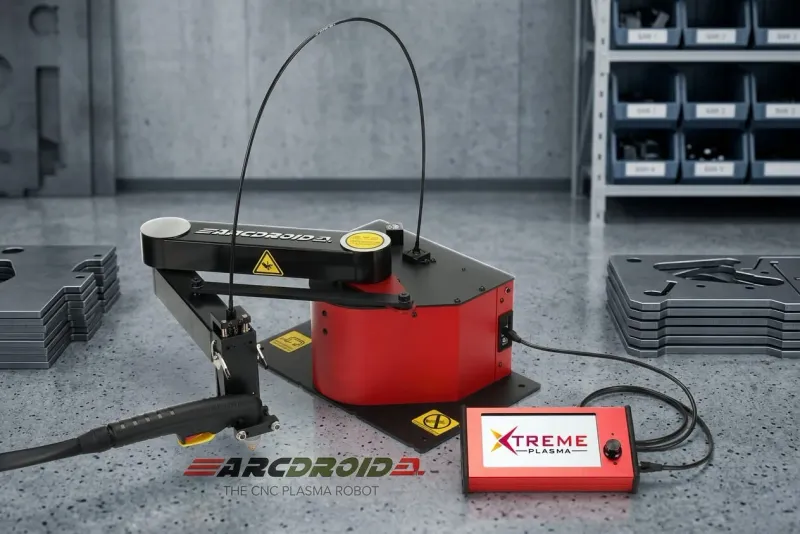
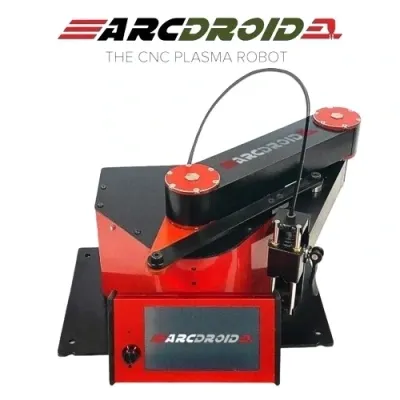
ArcDroid CNC Plasma Robot
ArcDroid CNC Plasma Robot
Simple Trace™ Operating System; No External Software or CAD Skills Required!
was £2,150.00
Save £151.00
£1,999.00
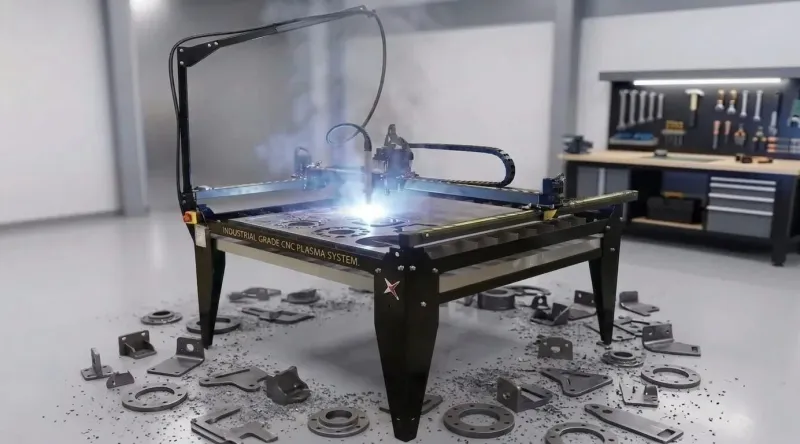
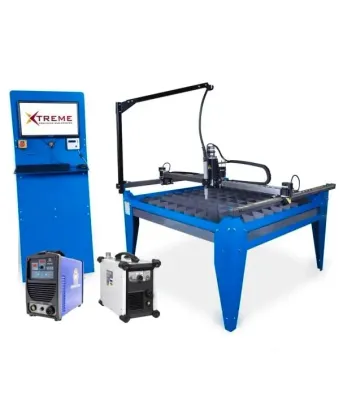
CNC Plasma Cutting Table Quote
CNC Plasma Cutting Table Quote
Quality, Reliability, and User-friendliness . 3 Year Warranty*, From £4679.99
£0.00
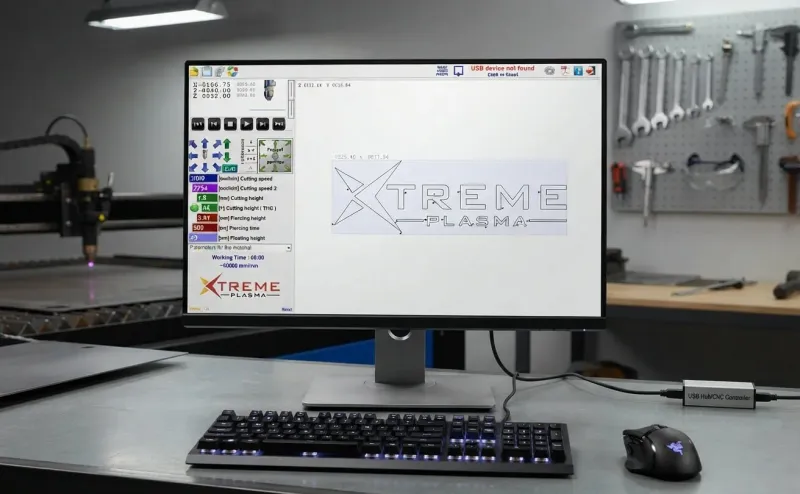
Upgrade Mk1 to Mk1.5 hybrid control box
Upgrade Mk1 to Mk1.5 hybrid control box
New Hardware/Software Update for R-tech/Xtreme cnc plasma tables
£799.99
Autumn Sale
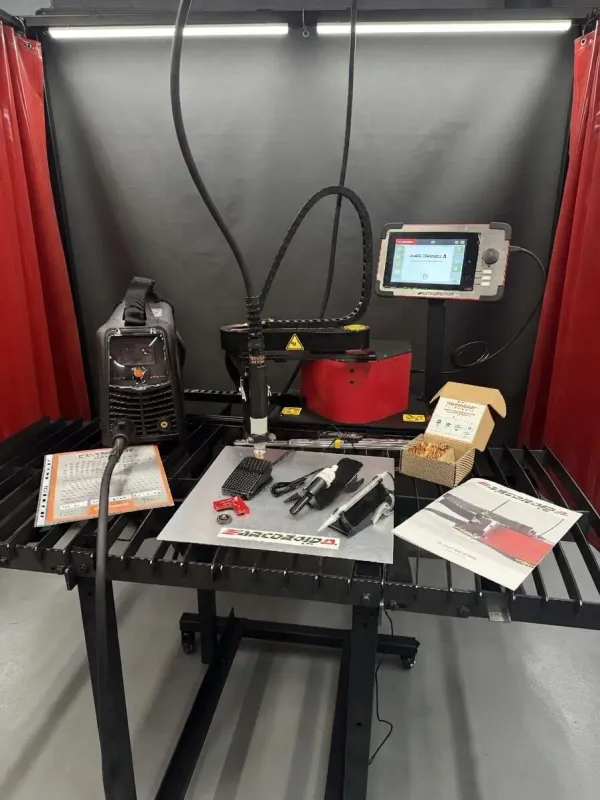
Arcdroid Ultimate Bundle
Arcdroid Ultimate Bundle
Ultimate Bundle - Free mainland UK Delivery
was £4,900.00
Save £300.01
£4,599.99
Display prices in:GBP