Safety Equipment PPE
Comprehensive Protection Guide: Essential Safety Equipment for Welding and Plasma Cutting
Welding and plasma cutting are high-temperature processes used across construction, fabrication, and manufacturing. These operations generate intense heat, UV and IR radiation, sparks, molten metal splashes, and hazardous fumes, necessitating specialised protective gear.
Essential Safety Equipment for Welding and Plasma Cutting
-
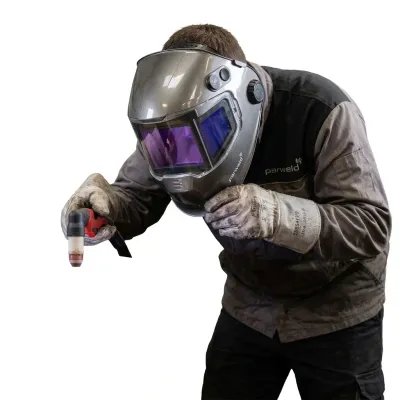
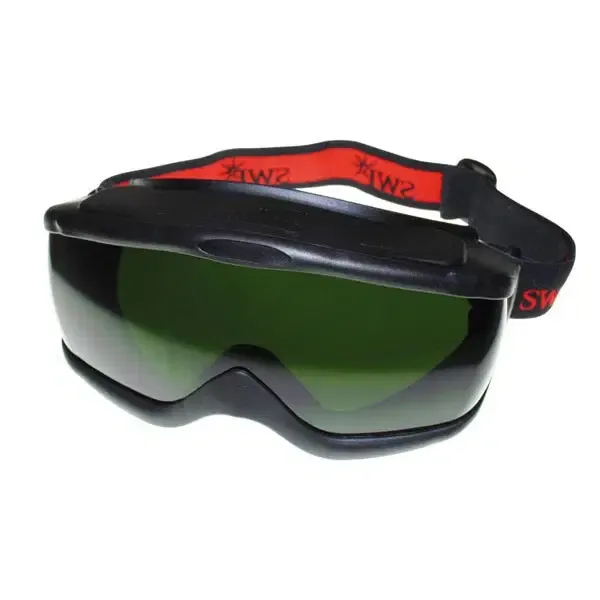
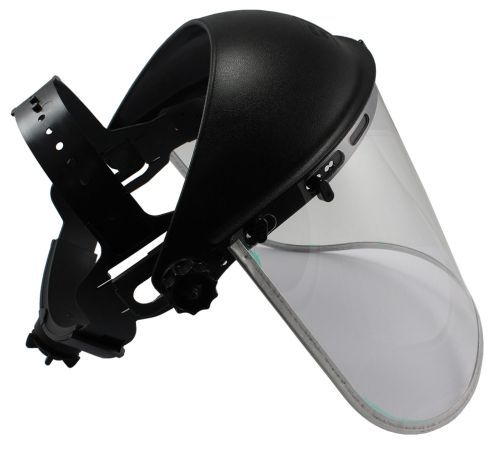
Welding and Plasma Helmets: Protect your eyes and face from intense ultraviolet (UV) and infrared (IR) radiation, as well as bright arcs and high-velocity plasma sparks, using an auto-darkening helmet or specialized plasma cutting shield with correct shade ratings.
-
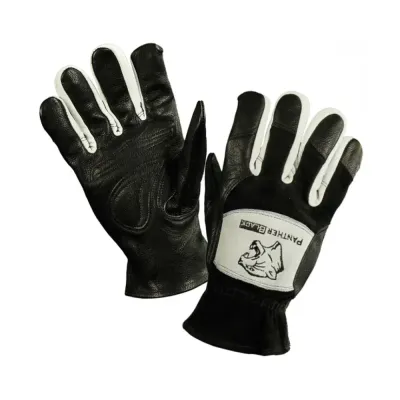
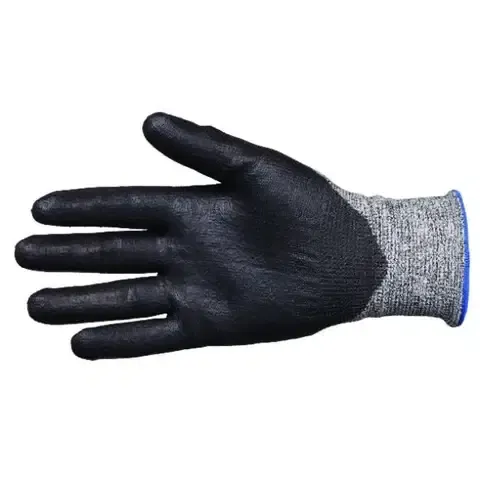
Heavy-Duty and Specialised Gloves: Shield your hands from burns, sharp edges, and dross with flame-resistant leather gloves tailored to your process:
-
TIG Gloves: Thin, highly flexible goatskin or horse hide for maximum finger dexterity.
-
MIG Gloves: Thicker, insulated split-cowhide for robust heat and spark resistance.
-
Plasma Cutting Gloves: Lightweight, flexible leather or hybrid gloves offering dexterity for handling plasma torches while protecting against moderate heat and sharp metal edges.
-
-
Respiratory Protection: Filter out toxic metal fumes, ozone, and particulate matter (such as hexavalent chromium produced during stainless steel or coated metal cutting) using a properly fitted respirator with HEPA or multi-gas cartridges.
-
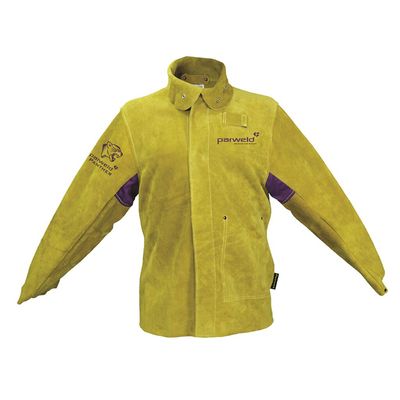
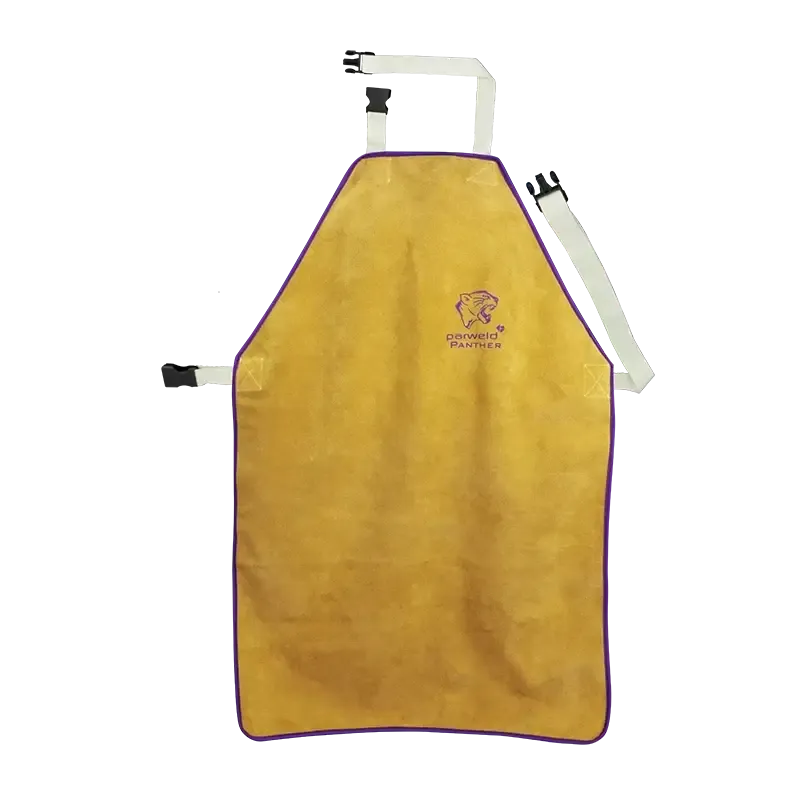
Flame-Resistant Clothing: Wear heavy jackets, sleeves, pants, or aprons made from treated cotton, leather, or wool to prevent skin burns from heavy sparks and molten slag produced during cutting and gouging operations.
-
Foot Protection: Prevent injuries from falling heavy plate steel, hot dross, and sparks by wearing steel-toe welding boots with heat-resistant, non-slip soles.
-
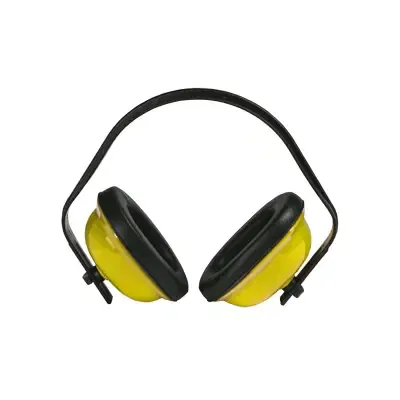
Hearing Protection: Guard against loud noise levels generated by air compressors, high-frequency arc starts, and plasma gas expansion using earplugs or earmuffs.
Key Safety Practices
-
Airflow and Ventilation: Position portable fume extractors or work in well-ventilated areas to safely disperse toxic plasma and welding fumes away from the breathing zone.
-
Fire Watch and Dross Control: Clear flammable materials, combustible dust, and paper from the workspace, and keep a fire extinguisher nearby to handle hot slag and sparks that fly further during high-pressure plasma cutting.
-
Electrical Grounding: Verify that both welding circuits and plasma cutting work cables are securely attached directly to the clean metal workpiece to prevent severe electrical shock or arc faults.
-
Pre-Operation Inspections: Check torch consumables, cables, hoses, and personal protective gear for wear, cracks, or fraying before every use.
Prioritising proper protective equipment and strictly following hazard protocols minimises workplace injuries, ensuring a safe, efficient environment for both welders and plasma operators. What specific metal thickness or cutting setup are you currently working with?
Refine by
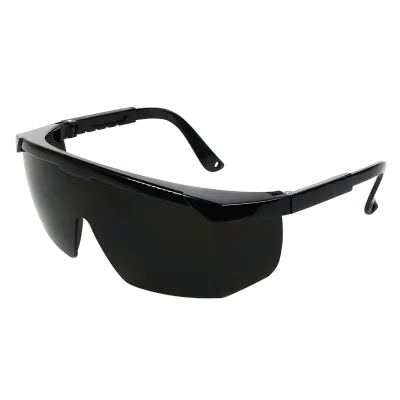





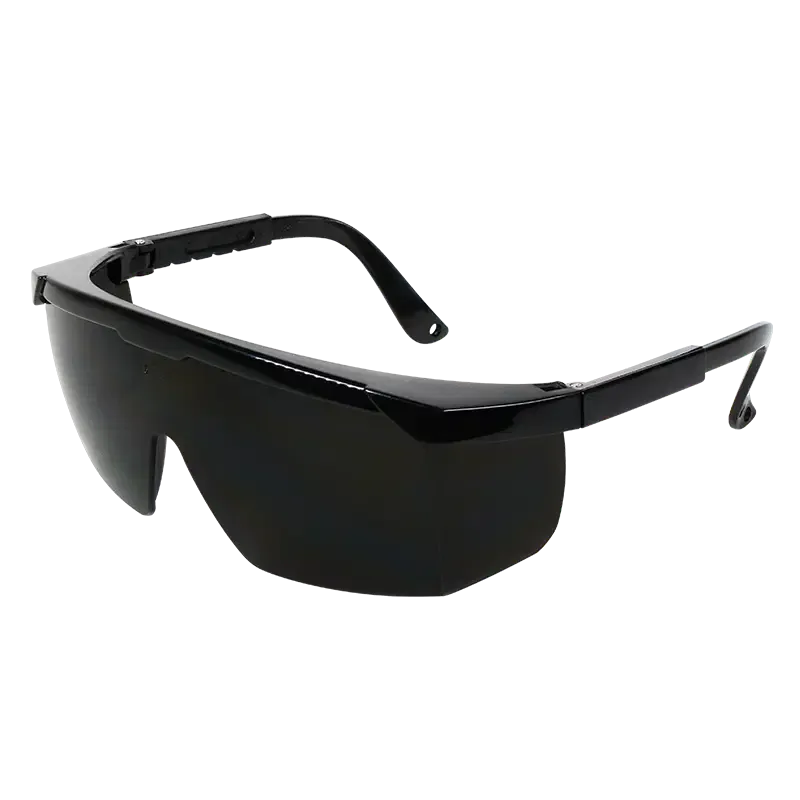
Parweld Plasma Cutting Spectacles Shade 5
Parweld Plasma Cutting Spectacles Shade 5
Shade 5 20-40amps
SKU P3444
£4.11

Display prices in:GBP